
Understanding Chinese Medicine and the Whole-Body Approach to Healing
Traditional Chinese Medicine is a system of care that views the body as interconnected, dynamic, and constantly changing. Rather than focusing on isolated symptoms, it asks a different question: What is happening in the body as a whole?
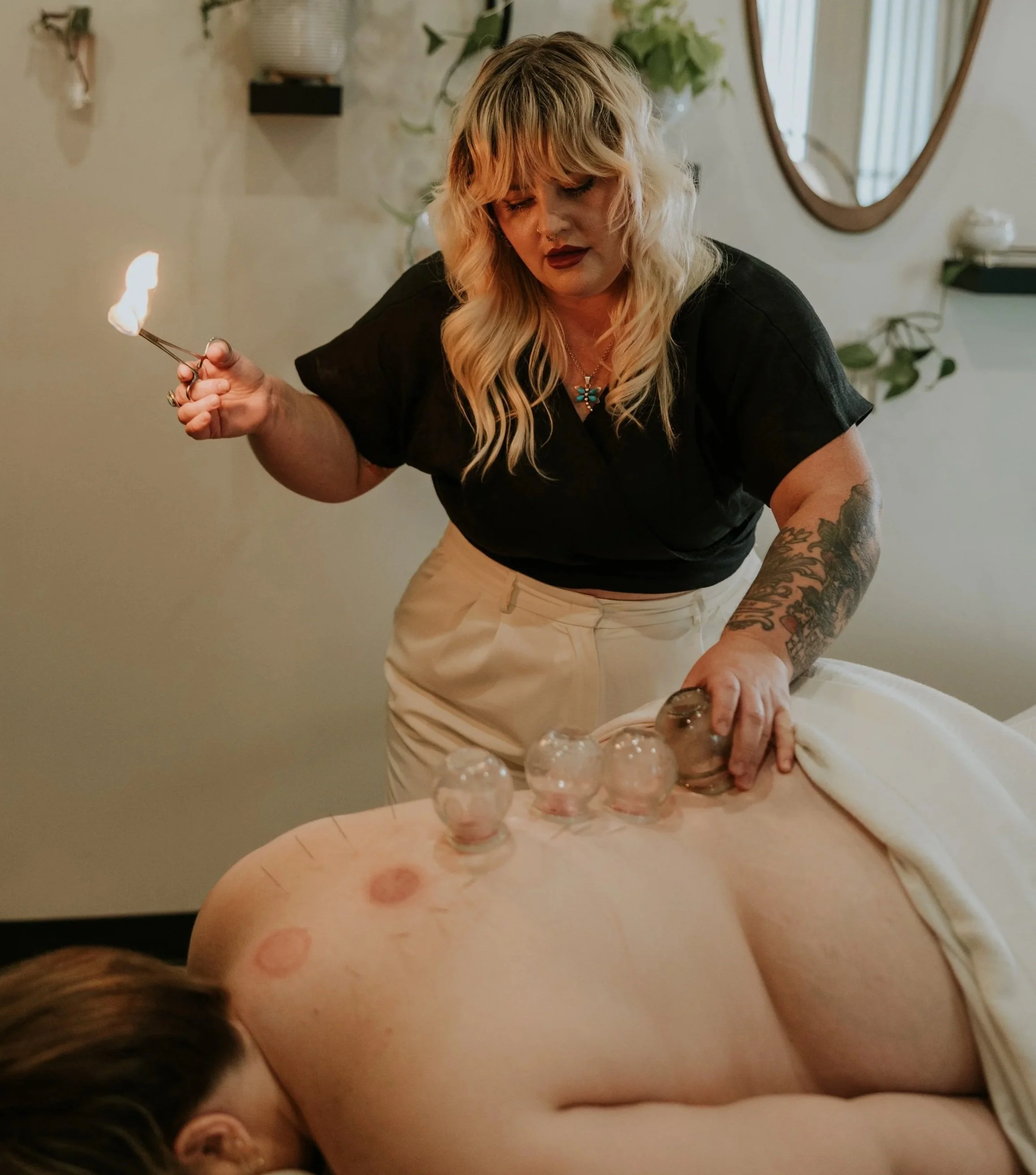
A Different Way of Looking at Health
In Western models, symptoms are often treated individually. In Chinese medicine, symptoms are seen as part of a larger pattern. For example:
Headaches may be connected to stress, digestion, or sleep
Fatigue may be connected to energy flow, emotional strain, or lifestyle
Tension may reflect both physical and emotional holding
Nothing exists in isolation.
Individualized, Not One-Size-Fits-All
Two people can come in with the same concern and receive completely different treatments. This is because care is based on:
Your full health history
Your current experience
Subtle patterns in the body
This is why acupuncture, herbal medicine, cupping, and bodywork are often used together.
Working With the Body, Not Against It
Chinese medicine does not force change. It supports the body in:
Regulating itself
Restoring balance
Moving toward a more sustainable state of health
This can feel slower than quick fixes, but it often creates deeper and longer-lasting change.
What This Looks Like in Practice
In a session, we take time to understand your full picture. From there, treatments are curated specifically for you and adjusted as your body responds over time.
If you’re curious about Traditional Chinese Medicine in Knoxville, TN, you can explore services with me here. Or learn more about me and my approach here.